
Author: egroww

  • Making room for a five-minute ritual

    Making room for a five-minute ritual

    Five minutes is an invitation to make room, not a stopwatch to race against. Your product instructions may take longer, and your evening may need a different pace. The useful idea is to give everyday care a place in the day rather than letting it become the last task you squeeze in.

    You can begin without buying anything. Look at the space where you already keep your products and notice what makes the routine awkward. Perhaps the label is hard to see, or you have to move three things before reaching the bottle you need.

    Choose a natural cue

    Connect the ritual to something that already happens: putting your work bag away, changing clothes or preparing for bed. Choose a cue that leaves enough time to follow the directions for the products you use.

    Try one arrangement before creating a collection of reminders. If the cue never works, move it. A useful habit should fit your life rather than require you to organise the whole evening around it.

    Clear one small surface

    You do not need a redesigned bathroom. Make enough room for the products you use and a place to put them down safely. Keep occasional products elsewhere so the daily selection is easy to recognise.

    Use a container you already own if it works. The shape should suit the bottles, the shelf and the way you reach for things. A tray that is too crowded simply moves the same problem into a smaller space.

    Leave the instructions visible

    Keep the original packaging or a readable record of the directions. If you use a phone photograph, save it somewhere easy to find rather than burying it among hundreds of unrelated images.

    A quiet ritual can still be attentive. Read unfamiliar directions when you are alert, then make the routine easy to follow when you are tired. Do not shorten a product’s intended method to fit an arbitrary time limit.

    Reduce the number of decisions

    Set out only what belongs to this routine. Put unopened products aside until you have decided whether and how they fit. This makes an ordinary evening less likely to turn into an unplanned experiment.

    You might keep a simple note with the product sequence, especially when several people share the shelf. Plain product names are easier to understand than abbreviations or a system of coloured marks.

    Finish with the next day in mind

    Return products to their storage, close containers and leave the surface ready to use again. This small closing habit makes the next visit feel less like a cleanup task.

    Notice whether the arrangement is still working after a week. Adjust one detail at a time. A better position for a bottle or an easier-to-reach towel may be enough.

    Let the ritual remain ordinary

    You do not need candles, a special soundtrack or a perfectly coordinated set of bottles. Add those things only if you enjoy them and they fit the space safely. The ritual already exists in the attention you give the task.

    A few considered minutes can simply mean following directions without rushing and leaving your shelf ready for tomorrow. That is a complete idea on its own, with no extra purchase required.
  • A thoughtful skincare packing list

    A thoughtful skincare packing list

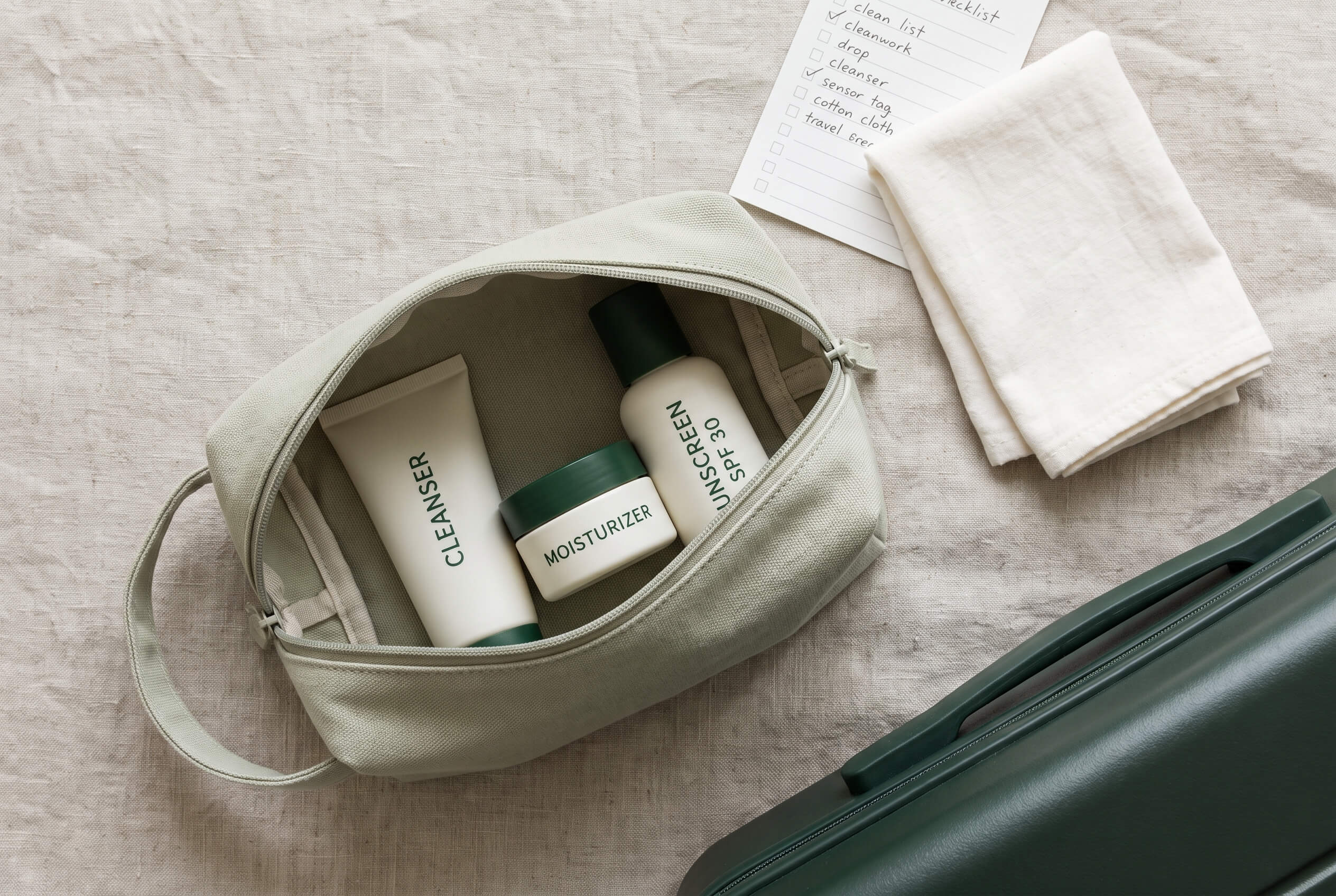
    A trip is a useful moment to notice how many bottles you actually use. Before buying a miniature version of everything, write down your existing routine. Separate the products you regularly reach for from the ones that are still waiting for an occasion.

    The packing list should serve the trip you are taking. Think about the length of your stay, the space available and whether you will have access to the items you normally use at home.

    Begin with a familiar routine

    List products by their jobs and write their exact names beside them. Keep any prescribed care and its instructions clear. Avoid turning a packing exercise into a reason to introduce several unfamiliar products at once.

    Decide which optional items can stay home. A smaller selection is easier to identify in an unfamiliar bathroom and simpler to put away when you move between places.

    Keep the information with the product

    Retain original labels and directions. If small print is difficult to read, keep a photograph as an additional reference. Do not let several similar-looking containers become a guessing game.

    Choose manufacturer-provided travel formats when they suit your needs, rather than assuming every formula should be transferred into a decorative pot. Ask the maker if you are unsure about suitable packaging.

    Check the journey separately

    Transport rules depend on the route and carrier. Check the current official guidance for your journey before packing liquids or planning cabin baggage. A general skincare article cannot tell you which limit applies to every trip.

    Keep that practical research separate from product instructions. One tells you what can travel with you; the other tells you how to store and use it. You need both pieces of information.

    Think about storage on arrival

    The FDA notes that heat and unsuitable storage can affect cosmetics. Follow each product’s storage directions, and avoid leaving your kit in a hot car.

    Choose a sensible place for the pouch when you arrive. Keep it easy to reach without spreading products across every surface. A small, stable arrangement makes packing again less likely to leave something behind.

    Use a return checklist

    Before leaving your accommodation, compare the pouch with your original list. Check bottle names rather than counting objects alone. A count can be right even when one item belongs to someone else.

    Back at home, put products into their usual places and check that the containers are in good condition. Keep any notes you made about formats that were awkward or especially convenient.

    Make the next trip easier

    Save the list with the trip length and a few practical observations. You may discover that you packed too many optional steps or that one container was difficult to close in a hurry.

    Those details help more than a universal list of travel essentials. Your next kit can be smaller and clearer because it is based on your own experience, your product directions and the journey you are actually taking.

    Further reading

  • Keeping your skincare shelf organised

    Keeping your skincare shelf organised

    An organised shelf does not need identical bottles. It needs a system that lets you find the right product, read its directions and put it back easily. The most useful arrangement may look different from a photograph of someone else’s bathroom.

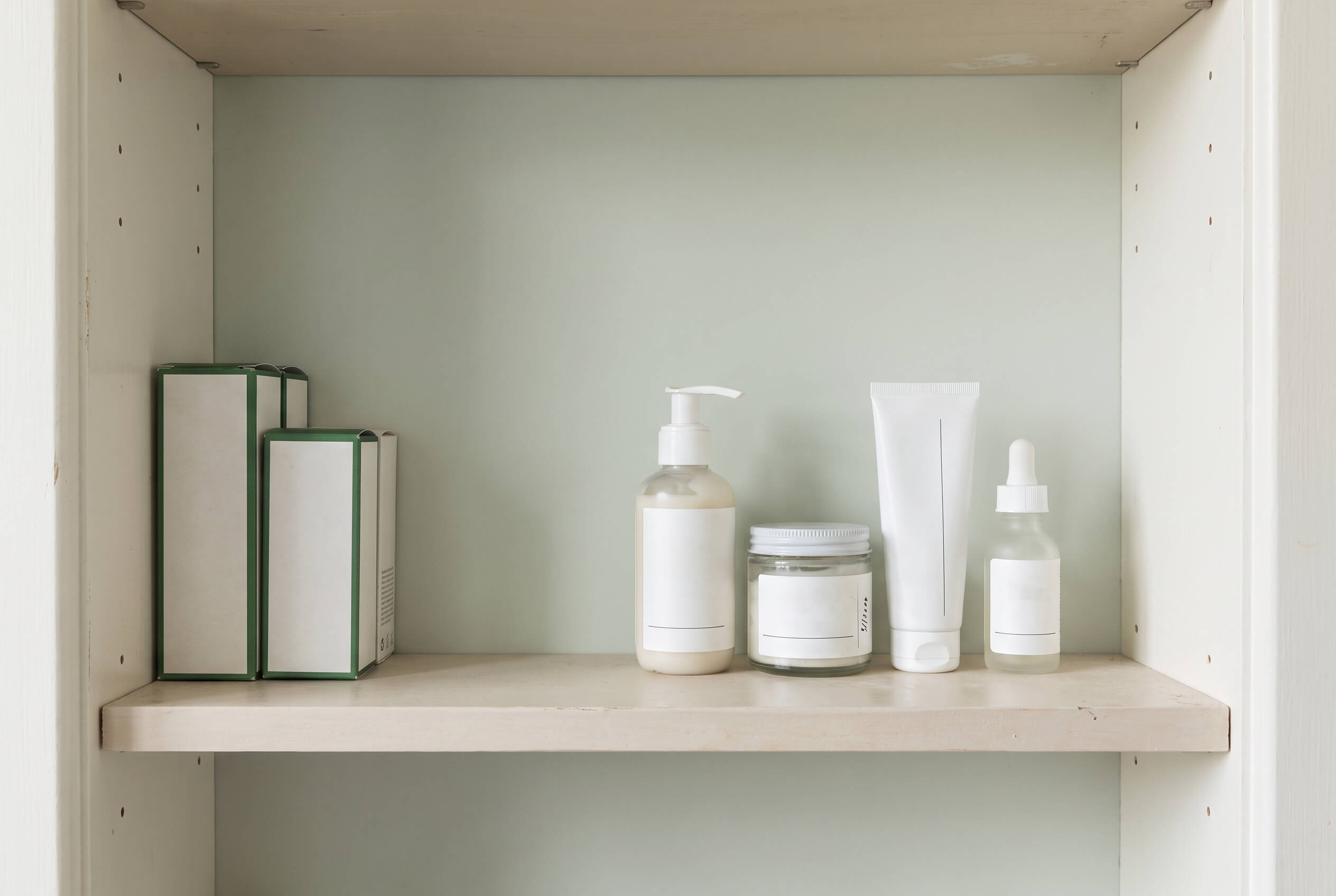
    Start by taking stock on a clear surface. Keep the product names facing you and group the items by how you actually use them. This is an inventory, not a reason to replace everything that does not match.

    Separate open from unopened

    Keep unopened products apart from the ones in your current routine. That makes it easier to see what is already in use before buying a replacement. Put a note on your shopping list rather than relying on the memory of a nearly empty bottle.

    If several people share the space, give each person’s products a recognisable area. The system should be obvious enough that putting things away does not require a discussion every evening.

    Make names and directions accessible

    Turn labels forward and leave enough room to pick up a bottle without moving everything beside it. Store cartons or photographs of instructions in a place you can find again.

    Avoid covering useful information with decorative labels. A small opening-date note can sit alongside the existing information instead of replacing it. Keep the precise product name in any digital record.

    Respect the storage instructions

    Follow the manufacturer’s storage guidance. The FDA explains that temperature, moisture and handling can affect cosmetics; keep containers clean and avoid unsuitable heat. If you are unsure about a changed product, ask the maker rather than relying only on appearance.

    Choose the storage location before buying organisers. A container that fits a shelf poorly can block ventilation, hide labels or make bottles unstable. Measure the space and consider how you use it.

    Arrange by frequency

    Put the products you use regularly where they are easiest to reach. Keep occasional items together with a clear reminder of their directions. Do not let the layout imply that every bottle should be used every day.

    Leave some empty space. It makes the shelf easier to clean and gives your hand room to move. Empty space is useful even if it means the arrangement looks less full.

    Review before shopping

    Read your inventory when a product is nearly finished. Check whether you already have a suitable replacement waiting. If you are considering something different, write down the question you want that change to answer.

    A product you do not enjoy using does not need to become the basis of a larger collection. Keep your observations about its packaging, directions and texture so you can make a more informed choice next time.

    Keep the system light

    Choose a review rhythm you can maintain, perhaps when you tidy the bathroom or update your shopping list. You do not need a detailed database for a small shelf. A few accurate names and opening dates may be enough.

    The arrangement has done its job when it makes everyday use simpler. You can read what you need, reach what you use and decide what belongs next without searching through a crowd of forgotten bottles.

    Further reading