Category: Ingredient notes

Get to know the names on your skincare shelf.

  • What ceramides do in a moisturizer

    What ceramides do in a moisturizer

    Ceramides often appear on the front of a moisturizer, where they can seem like the whole story. Turn the bottle around and there is usually a much longer ingredient list. That list is a useful reminder: you are choosing a finished product, with a texture, a package and a set of directions.

    The question is not simply whether a cream mentions a familiar ingredient. It is whether you understand what the product is intended to do and whether its complete formula fits the routine you already have.

    Look at the complete formula

    Ceramides are lipids associated with the skin’s outer barrier. In a moisturizer they are part of a wider formulation. Moisturizers can combine ingredients that attract water, soften the skin and help limit moisture loss; no single headline tells you everything about the finished product.

    A list of ingredient names is a starting point for questions rather than a scorecard. Avoid ranking two creams by the number of ingredients you recognise. The product information and your experience of the whole formula are more useful than counting familiar words.

    Start with the format

    Consider when and where you will use the product. A pump might be convenient beside a sink; a tube might fit your bag; a jar might be easy for you to handle at home. These are practical preferences that matter every time you reach for it.

    Read the directions and any storage information before deciding. If a retailer’s description leaves out important details, check the manufacturer’s information. Keep the original packaging so you can identify the exact product later.

    Think about texture in context

    The texture you enjoy on the back of your hand may feel different when used in your usual routine. Note how the finished product spreads and how comfortably it sits alongside the other products you use. Record observations without turning them into claims about what is happening inside the skin.

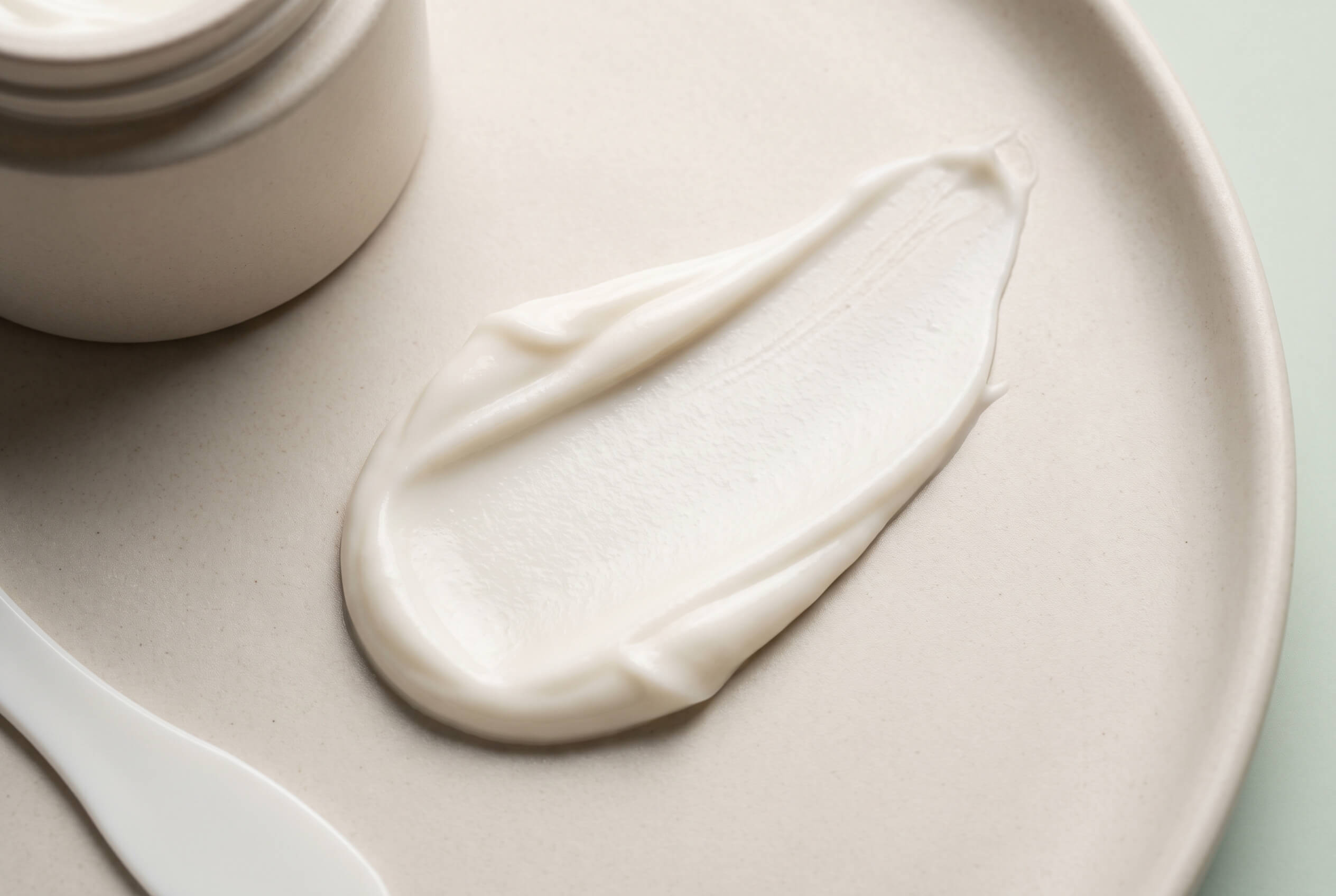
    For example, easy to spread and comfortable under my usual makeup are useful personal observations. A photograph of a cream cannot tell you either of those things. Leave space for your own preferences rather than treating a particular finish as the correct one.

    Keep your comparison small

    If you are choosing between products, compare a few practical details: product directions, format, quantity, ingredient information and the questions you still need answered. A short comparison is easier to use than a spreadsheet of every cream you have ever seen.

    Do not assume that a more complicated description means a more suitable product. Equally, a short ingredient list is not a guarantee that a formula will suit everyone. The whole product and your circumstances remain relevant.

    Choose a clear role on your shelf

    Once you have chosen a moisturizer, give it a clear place in your routine according to its directions. Keep a note of the name and the date you opened it. There is no need to build an entirely new collection around one ingredient.

    If you have a skin condition or are unsure about a product, ask a qualified professional for advice specific to you. An ingredient guide can help you ask better questions; it cannot decide which formula is right for every reader.
    Further reading

  • Getting to know glycerin in skincare

    Getting to know glycerin in skincare

    Some ingredients receive a whole campaign. Others appear quietly on labels across many different products. Glycerin belongs to the second group, which makes it a useful place to begin learning how to read beyond the front of a bottle.

    You do not need to memorise a dictionary of ingredients. Start with one name, understand its broad role, and then return your attention to the product as a whole. That is a more manageable habit than trying to decode every unfamiliar word in one sitting.

    Understand the broad role

    Glycerin is a humectant: an ingredient used to attract and hold water. DermNet lists glycerine among the humectants used in moisturizers. The feel and performance of a finished formula depend on more than this one ingredient.

    This distinction is useful when shopping. Seeing glycerin on two labels does not mean the products will have the same texture, directions or intended use. Treat the shared name as one piece of information, not a reason to consider the bottles interchangeable.

    Read the product description carefully

    Ask what kind of product you are looking at. Is it a cleanser to rinse away, a leave-on moisturizer, or something else? The directions tell you how the manufacturer intends you to use the formula.

    Keep marketing descriptions separate from instructions. Words about a fresh or silky feeling describe an experience; they do not replace details about where, when and how to apply the product. If those details are hard to find, that is a useful question to send to the brand.

    Notice how the formula fits your day

    Consider the packaging and the setting in which you will use it. A product that is easy to dispense and identify can be easier to keep in a regular routine. These ordinary details deserve a place beside the ingredient list in your decision.

    Once you are using a product as directed, write down practical observations in your own words. Perhaps you prefer the pump, or the texture takes more attention to spread than you expected. Keep observations about your experience separate from assumptions about an individual ingredient.

    Avoid building a routine from isolated names

    An ingredient-led shopping list can quickly become a shelf of products with overlapping jobs. Before buying another bottle, ask where it would fit. If you cannot explain its role, save the information and return to it later.

    There is no need to find a dedicated product for every ingredient you learn about. Your existing moisturizer may already contain several ingredients you are curious about. Reading its label can be a useful first step before looking for anything new.

    Keep a small ingredient notebook

    Write glycerin on one line, humectant on the next, and add the name of a product in which you have seen it. Record the source you used to learn about it so you can revisit the explanation.

    As your notebook grows, organise it around questions rather than rankings. What is this ingredient’s general role? Which finished product contains it? What does the product label say? A few accurate notes can make a crowded shelf feel much easier to understand.

    Further reading

  • Squalane: a closer look at the texture

    Squalane: a closer look at the texture

    Texture is often the first thing we notice about skincare. Before we can describe a finish precisely, we already know whether a product feels fluid, rich or easy to spread. Those observations can be useful, as long as we keep them separate from promises about results.

    When a product highlights squalane, begin with the same careful questions you would ask about any formula: what is the product, how is it used, and what does the maker tell you about the complete ingredient list?

    Begin with the exact name

    Copy the ingredient name from the label when researching it. Similar-looking words can lead to different information, and a shortened product nickname can make it harder to find the right directions later.

    Keep the full product name and manufacturer together in your notes. This helps when comparing information from a retailer with the packaging you actually received. If the lists differ, ask the manufacturer which applies to your bottle rather than guessing.

    Describe what you can observe

    Use concrete language for a texture: fluid when dispensed, easy to spread, or a noticeable finish after application. These descriptions are more useful than assuming a particular feeling proves that the product is working.

    A texture preference is personal and contextual. The finish you enjoy during an unhurried evening may not be what you want before makeup. Neither preference needs to become a rule for everyone else.

    Keep the formula in view

    Products that highlight the same ingredient can differ in many other ways. Compare the complete product information and the instructions, rather than treating one word on the front label as a full description.

    Avoid adding an extra step simply because you want to try a different texture. First identify the place it would occupy in your routine. If you are not sure how it should be used with your existing products, ask for directions specific to those products.

    Choose packaging for everyday use

    Think about how you handle the container with clean hands. Is the cap easy to close? Can you see the product name without picking up three other bottles? Is the format practical for the place you intend to keep it?

    These questions may sound ordinary, but they are part of the experience every day. A beautiful bottle can still be inconvenient in a narrow cabinet. Measure the space you have before choosing the format you want.

    Build a useful comparison

    Compare two options on paper using the same headings: name, product type, directions, package size and unanswered questions. Leave a separate area for personal texture notes if you have used the product appropriately.

    Do not fill gaps with assumptions based on photographs or the colour of a formula. Where an ingredient comes from, how a product is made and what it can claim should come from documented information supplied by the maker.

    Leave room for a simple decision

    You may decide that your current routine already has the texture and format you enjoy. Learning about an ingredient does not need to end with another purchase. Save your notes for the next time you actually need to replace a product.

    The most useful outcome is a clearer understanding of what you like and what you still want to ask. That knowledge stays with you longer than a trend, and it makes the next label easier to approach.